
How Often Should Children See a Chiropractor?
Parents often ask:
“How often should my child see a chiropractor?”
The answer isn’t a fixed schedule, it’s timing care with development.
At ChiroBaby, pediatric chiropractic wellness care aligns with key developmental milestones outlined by the Centers for Disease Control and Prevention (CDC), plus periodic wellness check-ins as children grow. Each visit is purposeful, gentle, and individualized.
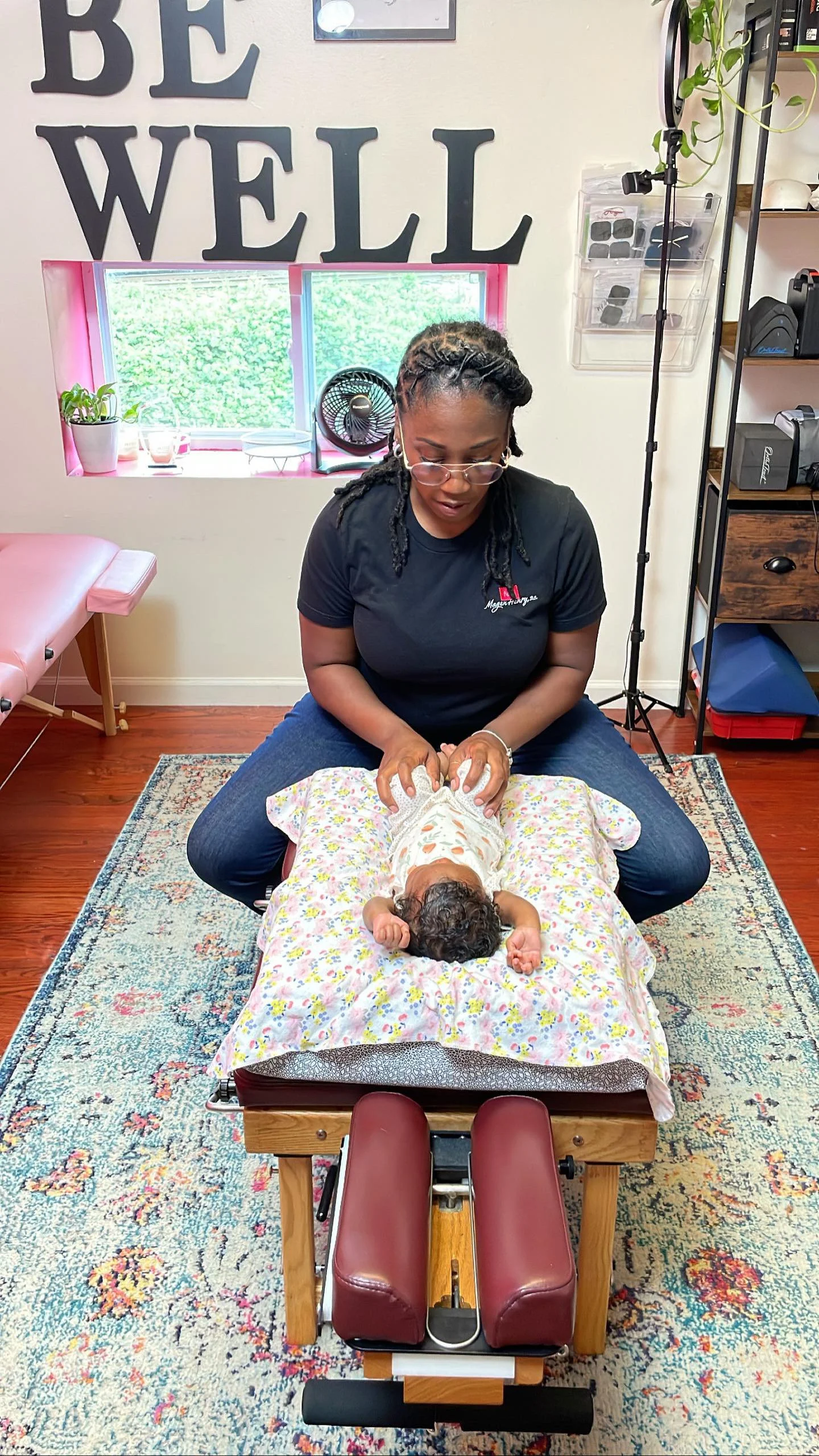
Our Wellness-Based Pediatric Schedule
Our Pediatric Wellness Schedule follows key developmental stages, not preset treatment plans. Each age below represents an important window for growth, movement, and nervous system development. These check-ins are designed to be gentle, intentional, and individualized, supporting children as they grow, not over-treating them.
Some families choose milestone-based check-ins only. Others may need additional support during periods of rapid growth, sports participation, or active care. Both approaches are valid, and every recommendation is explained and reassessed along the way.
Click below to explore what we typically look for at each age and remember, this schedule is a guide. Your child’s care is always personalized.
-
What we’re looking for:
Spinal and joint mobility after birth
Head and neck positioning
Early muscle tone and symmetry
Tension patterns from pregnancy or delivery
This visit supports early adaptation as the nervous system begins regulating outside the womb.
-
What we’re looking for:
Head control and neck mobility
Ability to lift head during tummy time
Symmetry of movement on both sides
Early spinal motion patterns
-
What we’re looking for:
Head stability without support
Upper-body strength during tummy time
Rolling patterns (tummy to back)
Balanced shoulder and hip motion text goes here
-
What we’re looking for:
Rolling in both directions
Early sitting stability
Trunk control and spinal flexibility
Coordination between upper and lower body
-
What we’re looking for:
Independent sitting
Crawling or scooting mechanics
Weight-bearing through arms and legs
Coordination across the spine and pelvis
-
What we’re looking for:
Pulling to stand and cruising
Early walking patterns
Balance between both sides of the body
Hip, knee, and ankle mobility
-
What we’re looking for:
Independent walking
Early running mechanics
Stability through the spine and pelvis
Balance during transitions
-
What we’re looking for:
Improved balance while walking and running
Climbing and stair navigation
Coordination between arms and legs
Postural control
-
What we’re looking for:
Running with improved coordination
Kicking and throwing movements
Spinal flexibility during play
Symmetry of movement
-
What we’re looking for:
Jumping and landing mechanics
Stair climbing patterns
Core strength and posture
Whole-body coordination
-
What we’re looking for:
Pedaling or climbing activities
Directional changes during movement
Balance and postural endurance
Smooth spinal motion
-
What we’re looking for:
Hopping and single-leg balance
Alternating stair use
Coordination of upper and lower body
Stability during active play
-
What we’re looking for:
Balance and coordination for school readiness
Posture during sitting and carrying backpacks
Endurance for sports and play
Spinal mobility as growth continues
-
For general wellness, children are typically checked once per quarter.
What we’re looking for:
Postural changes from school and screen use
Backpack-related stress
Sports-related movement patterns
Nervous system adaptability during growth
Active Care
While most pediatric chiropractic visits at ChiroBaby are wellness-based, there are times when a child may benefit from short-term active care.
Active care may be recommended if a child is experiencing:
Physical discomfort or pain
Noticeable movement restriction
Recovery from a fall, injury, or strain
Functional changes affecting daily activity
During an active care phase, visits may be more frequent for a limited period:
1–3 visits per week
Typically lasting a few weeks to a few months
Adjusted based on severity, goals, and how the child responds
Active care is never open-ended. Each phase is:
Goal-based (focused on specific functional improvements)
Closely monitored
Reassessed regularly to determine when to reduce or discontinue care
Once goals are met, families often transition back to milestone-based or periodic wellness visits.
Neurodevelopmental & Sensory Considerations
Children with neurodevelopmental or sensory differences may experience physical, environmental, and neurological stressors differently. Because of this, they often benefit from a more flexible, individualized approach to care.
Dr. Magen adapts chiropractic care for children with:
ADD / ADHD
Sensory processing differences
Other neurodevelopmental challenges
Care is always delivered in a way that prioritizes comfort, trust, and regulation.
What We’re Looking For
Rather than focusing on diagnoses, visits are guided by how the child’s nervous system and body are functioning, including:
Nervous system regulation and adaptability
Tolerance to touch and movement
Postural control and coordination
Adaptive responses during and after care
Some children may benefit from more frequent check-ins during certain stages, while others do best with occasional visits. Visit frequency is always personalized, adjusted over time, and discussed openly with caregivers.
The ChiroBaby Philosophy
Pediatric chiropractic wellness care isn’t about chasing symptoms or committing families to unnecessary visits.
It’s about supporting development, respecting the body’s ability to adapt, and checking in during moments that matter.
By aligning visits with developmental milestones, growth stages, and real-life demands, ChiroBaby supports children as they learn to move, grow, and navigate the world with confidence.
Ready to schedule a milestone or wellness visit?
