
Pediatric Chiropractic Care in Atlanta
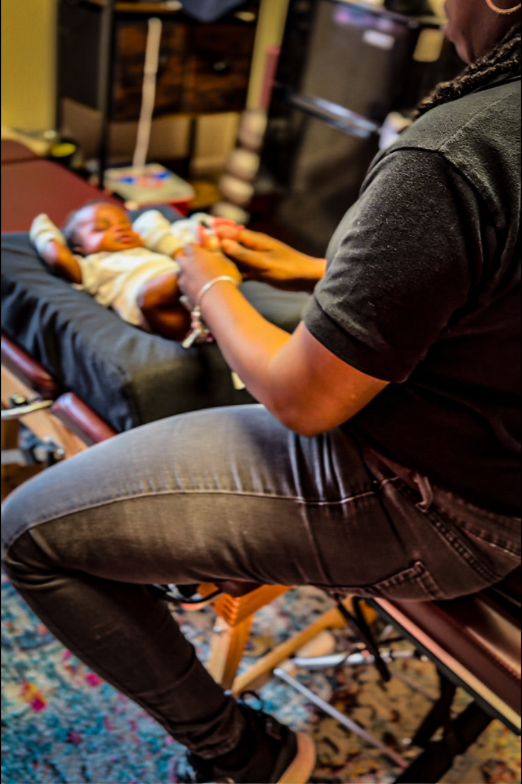
Gentle, evidence-informed support for infants, children, and teens
From the birth process to growing pains, falls, and sports, kids experience a lot of physical stress as they develop. Pediatric chiropractic care supports their nervous system and musculoskeletal growth, helping them thrive through every stage.
Why Choose Pediatric Chiropractic Care?
Pediatric chiropractic care is not about “cracking” joints or forcing movement.
It focuses on supporting proper motion, alignment, and communication between the brain and body as a child grows.
Care is adapted to each child’s age, size, and developmental stage, using low-force, gentle techniques designed specifically for infants and children.
Research suggests that pediatric chiropractic care may support comfort and function in children when appropriate:
Conditions We Commonly Support
While chiropractic care does not treat disease, many families seek pediatric chiropractic support for:
Birth-related tension or asymmetry (including torticollis or flat head preference)
Colic, reflux, or digestive discomfort
Difficulty feeding, latching, or turning the head
Frequent ear infections or sinus congestion
Delayed crawling, sitting, or walking milestones
Growing pains and sports-related aches
Posture changes and backpack strain
Hyperactivity, focus challenges, or sensory regulation concerns
Each child is evaluated individually to determine whether chiropractic care is appropriate.
What should I expect during my child’s first chiropractic visit?
A child’s first chiropractic visit is designed to be gentle, calm, and centered around safety and comfort—for both the child and the parent.
At ChiroJunky ATL, pediatric visits are not rushed or forceful. They focus on understanding how your child’s body is developing and whether chiropractic care may be supportive.
Here’s what the visit typically includes:
1. Parent Conversation & Health History
The visit begins with a conversation with the parent or caregiver. We review birth history, developmental milestones, movement patterns, sleep, feeding, and any concerns you’ve noticed. Older children are included in the conversation in an age-appropriate way.
2. Gentle, Non-Invasive Assessment
Your child is assessed using observation, light touch, and movement-based evaluation. This may include posture, spinal motion, reflexes, and how your child moves, crawls, walks, or plays. There is no forceful testing.
3. Gentle Adjustment (If Indicated)
If care is appropriate, adjustments are extremely gentle, often using fingertip pressure, sustained holds, or light instrument-assisted techniques.
There is no twisting, cracking, or forceful movements, especially for infants and young children.
4. Parents Are Always Present
Parents remain with their child at all times. Infants may be adjusted while being held, nursing, or resting comfortably. Children are never restrained or forced.
5. Education & Next Steps
You’ll leave with a clear understanding of what was found, whether care is recommended, and how chiropractic fits into your child’s overall development and wellness.
How Long Does the Visit Take?
First pediatric visit: approximately 45-60 minutes
Follow-up visits: typically 20 minutes
Why Families Choose ChiroJunky ATL:
Dr. Magen Henry holds a Master of Science in Chiropractic Pediatrics (MSCP), placing her among a small group of chiropractors nationwide with advanced training in pediatric development, infant biomechanics, and nervous system function.
Every pediatric visit at ChiroJunky ATL is:
Gentle and low-force
Evidence-informed
Centered on consent and comfort
Focused on long-term development, not quick fixes
Rather than relying solely on medication, antibiotics, or “waiting it out,” our approach looks at how the nervous system influences growth, movement, and regulation, helping children adapt more easily as they develop.
At ChiroJunky ATL, we believe healthy kids grow into healthy adults, and early support can help build lifelong resilience..
Ready to Support Your Child’s Development?
Book your visit today and discover why once you start, you’ll understand why everyone keeps coming back.

ChiroJunky ATL offers pediatric chiropractic care in Atlanta, Georgia for infants, children, and growing families. Dr. Magen Henry has advanced training in chiropractic pediatrics and provides gentle, age-appropriate care focused on movement, musculoskeletal function, posture, mobility, and overall physical development. ChiroJunky ATL serves babies, children, and families throughout Atlanta, West Atlanta, Southwest Atlanta, West Midtown, Smyrna, Austell, Mableton, and surrounding communities.